

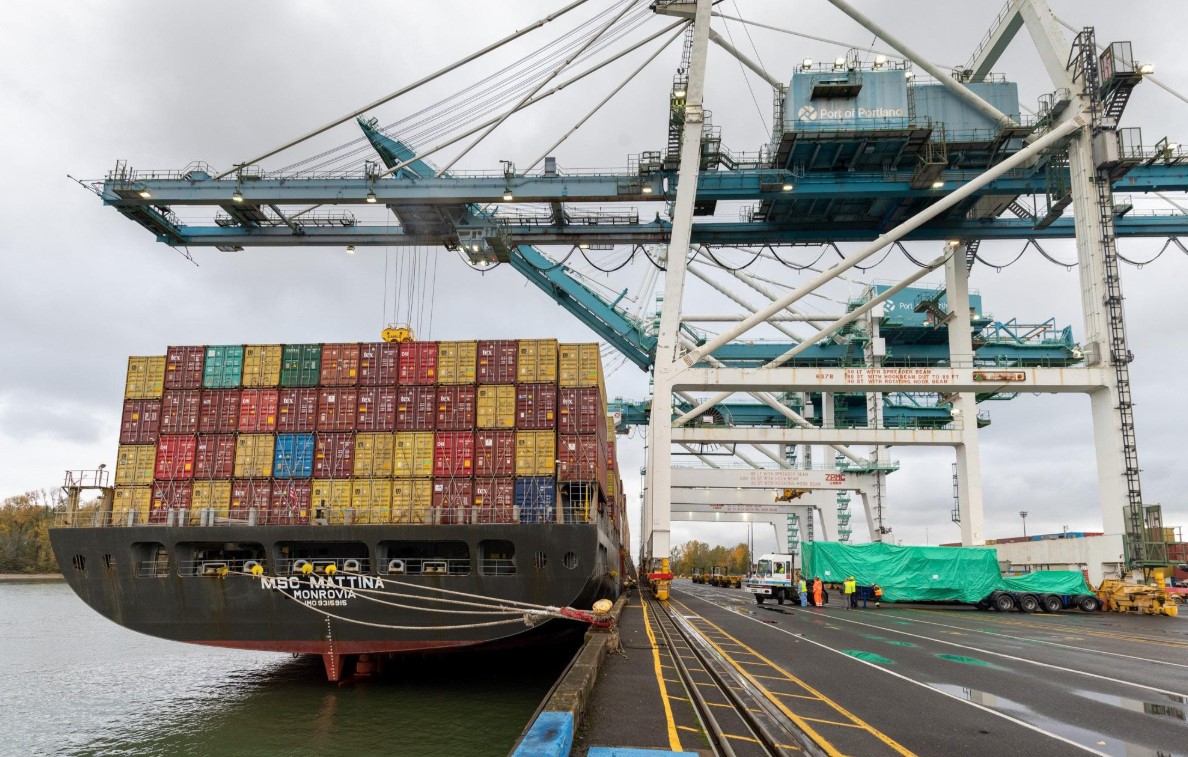
Coastal regions across the world are witnessing rapid shifts in trade volume, maritime technology, and environmental expectations. Against this backdrop, ports must adapt—yet the scale of investment required is often beyond what local authorities and individual operators can afford. This growing need has brought renewed attention to Grants for Port Infrastructure Transformation, a critical funding channel that empowers coastal communities to modernize ports, strengthen logistics, and improve climate resilience.
Understanding Why Port Infrastructure Demands Transformation
Ports are not just gateways for goods—they are engines of national economies. Modern supply chains rely on ports that are efficient, technologically advanced, eco-friendly, and resilient to rising climate risks. Many existing ports were built decades ago and are no longer capable of supporting the demands of modern commerce. Key reasons for upgrading include:
1. Increasing Cargo Volumes
Global trade continues expanding, requiring deeper berths, stronger terminals, and enhanced storage facilities. Without upgrades, ports risk congestion, reduced throughput, and financial losses.
2. Climate Change & Rising Sea Levels
Coastal ports face floods, cyclones, and storm surges that pose major threats to infrastructure. Grants help fund climate-resilient design, protective barriers, and eco-engineering solutions.
3. Digital Transformation
Automation, e-documentation systems, AI-driven cargo tracking, and smart cranes require significant investment. Grants for Port Infrastructure Transformation support modernization and improved operational efficiency.
4. Environmental Sustainability
Nations are under increasing pressure to reduce carbon emissions. Green ports with shore-to-ship power, hybrid tugboats, and renewable-energy-integrated terminals receive high priority in many grant programs.
What Are Grants for Port Infrastructure Transformation?
“Grants for Port Infrastructure Transformation” refer to financial assistance programs offered by governments, global development bodies, and private-sector partnerships to upgrade coastal port facilities. These grants typically cover infrastructure expansion, environmental improvements, digital modernization, and safety enhancements.
Unlike loans, grants do not require repayment if guidelines and reporting obligations are fulfilled. They can be awarded for:
-
Construction of deep-water berths
-
Upgrading cargo handling systems
-
Enhancing environmental performance
-
Coastal protection and resilience projects
-
Digital infrastructure and cybersecurity
-
Improved road, rail, and maritime connectivity
These grants are especially valuable to coastal regions where natural disasters, high operational costs, and capacity limitations hinder economic growth.
Types of Funding Available for Ports in Coastal Regions
To access Grants for Port Infrastructure Transformation, port authorities should understand the main types of financial support:
1. Federal & National Government Grants
Many countries allocate annual budgets for maritime infrastructure. These grants often focus on:
-
Enhancing national trade competitiveness
-
Improving port-connected transportation networks
-
Reducing environmental impact
-
Increasing maritime safety
Government-funded initiatives are typically the most accessible and predictable.
2. International Development Grants
Organizations like the World Bank, Asian Development Bank, African Development Bank, and the European Union offer grants and co-funding for coastal port infrastructure. These grants are particularly beneficial for developing nations needing:
-
Climate-resilient port modernization
-
Digital transformation
-
Sustainable energy integration
3. Climate & Environmental Grants
Because ports contribute to emissions and environmental degradation, global climate funds provide support for:
-
Green port equipment
-
Carbon-reduction programs
-
Shore-to-ship power stations
-
Wetland restoration around ports
Programs such as the Green Climate Fund (GCF) or Global Environment Facility (GEF) are important sources of such funding.
4. Private-Sector Partnerships & Innovation Grants
Many technology and logistics companies partner with port authorities to test innovations. Grants from these partnerships often focus on:
-
Smart logistics tools
-
Automation and AI systems
-
Safety innovations
-
Emission-reducing technologies
These funds are valuable because they encourage rapid technological advancement with direct industry collaboration.
Key Features of Grants for Port Infrastructure Transformation
When applying for Grants for Port Infrastructure Transformation, coastal ports should keep several common features in mind:
Eligibility Criteria
-
Ports located in vulnerable coastal regions
-
Demonstrated need for modernization
-
Strong environmental and economic justification
-
Compliance with national and international standards
Co-Funding Requirements
Many grants require a portion of the project to be self-financed. This ensures commitment and realistic budgeting.
Environmental Impact Assessments
Granting agencies often require ports to show how proposed upgrades will reduce environmental harm.
Reporting & Monitoring
Recipients must provide transparent project updates, cost reporting, and environmental compliance documentation.
Why Coastal Regions Benefit Most from These Grants
Coastal regions play a vital role in national and global trade systems but often face unique challenges. Grants for Port Infrastructure Transformation help them stay competitive by offering:
1. Improved Disaster Resilience
Funding supports structural reinforcements, elevated platforms, advanced drainage systems, and protective sea walls.
2. Boosted Local Economies
Modern ports attract investment, strengthen trade routes, and generate employment.
3. Cleaner & Greener Operations
Grants encourage eco-friendly technology that reduces pollution and protects marine ecosystems.
4. Enhanced Global Competitiveness
With upgraded infrastructure, ports can accommodate larger ships, shorten wait times, and streamline logistics.
Steps to Successfully Apply for Port Infrastructure Grants
Successfully securing Grants for Port Infrastructure Transformation requires a strategic approach:
Step 1: Identify Relevant Grant Programs
Start by listing national, international, and private-sector funding opportunities that align with your project’s needs.
Step 2: Conduct Detailed Feasibility Studies
A strong feasibility report includes:
-
Cost estimates
-
Technical requirements
-
Environmental impact analysis
-
Project timeline
-
Risk mitigation strategy
Step 3: Create a Compelling Proposal
The proposal must clearly highlight:
-
The problem being addressed
-
The transformation plan
-
Expected economic and environmental benefits
-
Compliance with regulations
-
Long-term sustainability
Step 4: Secure Local Partnerships
Collaboration with businesses, environmental groups, and government bodies increases the likelihood of grant approval.
Step 5: Follow Reporting Standards
Consistent compliance ensures that funds continue through all phases of the project.
Examples of Projects Commonly Funded
To understand how ports can utilize Grants for Port Infrastructure Transformation, consider the most frequently approved project types:
1. Climate-Resilient Infrastructure
Elevated terminal platforms, flood-resistant storage, and cyclone-proof structures.
2. Smart Port Technology
IoT sensors, AI-based cargo planning tools, and automated cranes.
3. Green Energy Integration
Solar panels, microgrids, electric vehicle charging stations, and shore power systems.
4. Transportation Connectivity
Improved roads, rail access, and inland waterway upgrades.
5. Environmental Protection Projects
Mangrove restoration, dredge material reuse, and wastewater treatment enhancements.
How These Grants Shape the Future of Coastal Ports
Coastal ports receiving Grants for Port Infrastructure Transformation are better prepared for future challenges. The next generation of ports will look very different:
-
Highly digitalized operations
-
Reduced emissions and environmental footprint
-
Stronger protection against climate events
-
Faster cargo movement
-
Improved safety and security systems
These improvements contribute to sustainable trade, economic growth, and regional stability.
Conclusion
The demand for high-performing, environmentally sustainable, and technologically advanced maritime gateways is rapidly increasing. Coastal regions, being the lifeline of global commerce, must invest heavily in modernization to remain competitive. Grants for Port Infrastructure Transformation serve as an essential financial tool to achieve these goals without placing excessive financial burdens on local stakeholders.

Comments are closed.